FOOD IN THE ARTS
A consideration of food in fine art is dominated by an exuberance of wealth or symbolism but when movies arrived, the directors brought in a tough narrative line, influenced not so much by painting as by literature, poetry and drama.
The tone of the written word has served to contrast the wide gap between sensual satisfaction and survival. In the 19th century, the prose of Dickens and Balzac entered into the reality of food, triggering the essential truth about life:
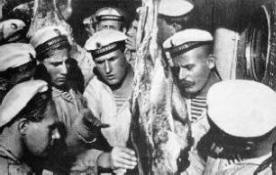

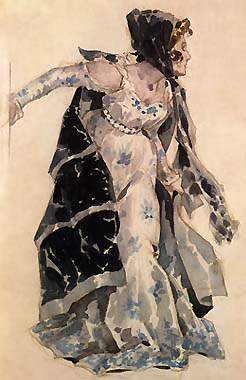
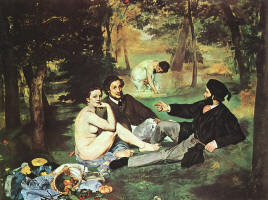 art
and food
art
and foodgeneral store
 film
and food
film
and food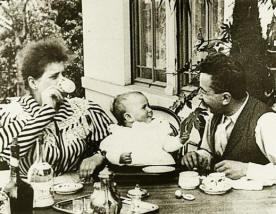
El Alimento en las Artes – es
Alimentaire dans les
arts – fr
Abbey Tours
salmon aphrodisiac food
power< /span>